

School attendance prosecutions
Defending parents accused of failing to secure their child’s regular attendance at school.

Law Society accredited
Criminal Litigation accreditation from The Law Society.
-
Regulated law firm
Authorised and regulated by the Solicitors Regulation Authority, SRA number 8015585.

Independently reviewed
Read what our clients say about us on ReviewSolicitors.
Nationwide, in confidence
Representation across the UK, with every enquiry treated in strict confidence.
Education Act prosecutions
A prosecution that often comes at crisis point

Being told the local authority intends to prosecute you over your child’s school attendance can be frightening, especially when your family is already struggling.
Many of the parents we represent are loving, committed parents whose child cannot attend school regularly through no fault of their own, often because of special educational needs or significant mental health issues. Assessment services are stretched, communication with the school can break down, and families are left in limbo. It is a vicious circle.
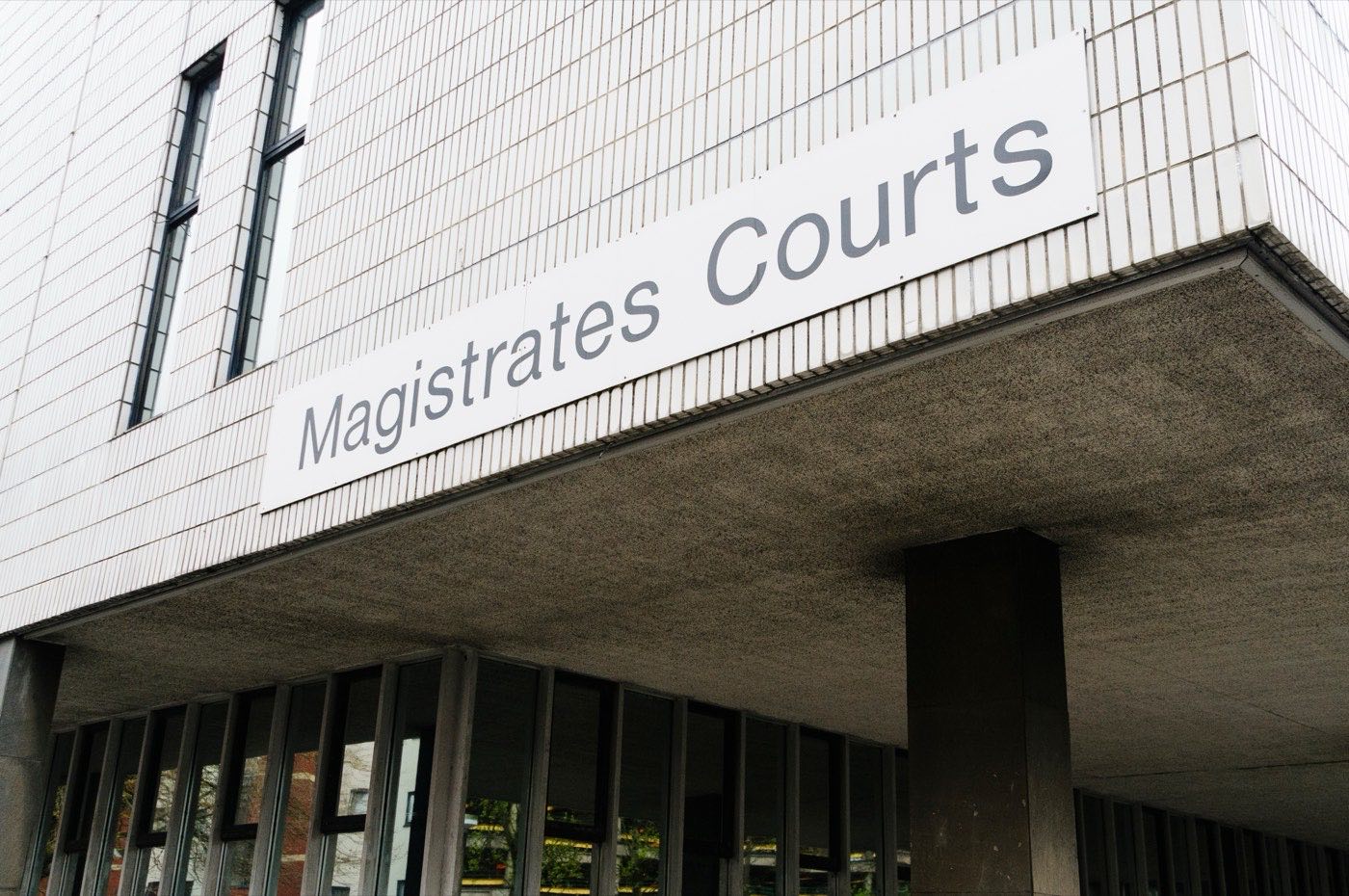
These are criminal proceedings in the Magistrates’ Court, and a conviction can affect your work, travel and DBS checks. But prosecution is not inevitable. Through investigation, evidence gathering and careful written representations, many prosecutions are withdrawn or discontinued before trial.
Act early
The best chance to stop a prosecution is before it reaches court.
Criminal expertise
We defend these cases as the criminal proceedings they are.
The law
Section 444 of the Education Act 1996
If a child of compulsory school age who is registered at a school fails to attend regularly, their parent can be prosecuted. There are two offences.
Failing to secure regular attendance, s.444(1)
A strict liability offence, so there are very limited defences. If convicted, the court can impose a fine of up to £1,000 (level 3), and you will have a criminal record.
Knowingly failing to secure attendance, s.444(1A)
The aggravated offence, where a parent knows their child is not attending regularly and fails to make them. It can lead to a fine of up to £2,500 or imprisonment.
Reasonable justification
It is a defence to show you had a reasonable justification for your child’s absence.
Statutory excuses
Leave of absence from an authorised person; your child’s sickness; an unavoidable cause, usually an emergency; a day of religious observance; and no suitable transport arranged by the local authority when the school is not within walking distance.
Step by step
From the first letter to the outcome
We take some of the weight off your shoulders: understanding what has happened, gathering the evidence and engaging with the local authority for you.
- First contact
Notice of intended prosecution
Get advice as soon as the local authority writes to you. We review the attendance record, the correspondence and your family’s circumstances.
- Evidence
Building the picture
We gather medical letters, SEN and mental health evidence, school communications and anything that shows why your child has not been attending.
- Before court
Written representations
We set out to the local authority why prosecution is not appropriate, or ask for a fixed penalty notice instead, aiming to stop the case before it reaches court.
- If it proceeds
Court and costs
We represent you in the Magistrates’ Court and, where appropriate, apply for a Defence Costs Order so you can recover a proportion of your legal costs.


Your lawyer
Louise Turner
Director, CILEX Lawyer and education law specialist
Louise advises and represents parents and families in school admission appeals, permanent exclusion appeals, safeguarding concerns, attendance issues and complaints. She understands the impact education decisions have on families, and prepares carefully structured, persuasive cases tailored to each child’s circumstances.
A proud mother of two sons, she takes an active part in school committees and is a parent ambassador, so she knows how schools work from both sides.
ELAS member
A member of the Education Law Association, keeping her advice up to date.
24+ years in law
Combining education law with criminal defence experience.
Clear costs
Privately funded, with clear estimates

£400 + VAT an hour
Our 2026 hourly rate for Directors.
Where a fixed fee is not possible, we give you a clear, detailed estimate and keep it under review. At the end of proceedings, we can apply for a Defence Costs Order so you can recover a proportion of your legal costs. Henney Turner does not offer legal aid.
Senior Associates
£375 + VAT an hour.
Associates
£300 + VAT an hour.
Paralegals and trainees
£200 + VAT an hour.
Louise’s results
Prosecutions withdrawn before trial
February 2024
The local authority withdrew its prosecution before the first court hearing, so Louise’s client never needed to attend court.
May 2024
No further action for parents of a son who could not attend school regularly because of his special educational needs. Louise secured an adjournment to submit detailed written representations and evidence.
June 2024
The prosecution was withdrawn for parents of a daughter with special educational needs and mental health issues, after careful investigation, evidence and written representations.
Every case depends on its own facts and evidence.
School attendance questions
Frequently asked questions
Something else on your mind? Call 0330 043 3711 or email enquiries@henneyturner.co.uk.
Get legal advice immediately, so you understand your rights, the evidence and the possible defences. Many cases involve underlying issues such as special educational needs, bullying, medical concerns or failures by the school or local authority. We can review the attendance data and correspondence to challenge the prosecution or negotiate alternatives such as an Education Supervision Order.
Section 444(1) is a strict liability offence of failing to secure your child’s regular attendance, punishable by a fine of up to £1,000. Section 444(1A) is the aggravated offence, where a parent knows their child is not attending regularly and fails to make them; it can lead to a fine of up to £2,500 or imprisonment.
As well as a fine, you will have a criminal record, which can affect employment, travel, fostering and volunteering, and professional registration, particularly where DBS checks are involved. Courts can also make a parenting order.
Often, yes. Detailed written representations to the local authority can explain the circumstances, show why prosecution is not proportionate or in the public interest, or ask for a fixed penalty notice instead. Many prosecutions are withdrawn or discontinued this way.
In appropriate cases we apply for a Defence Costs Order at the end of proceedings, so you can recover a proportion of your legal costs.
You may be. If your child stays with you for part of the week, at weekends or in the school holidays, you are generally still responsible. A partner involved in a child’s day-to-day care, such as getting them to school, can be responsible too.
No. Henney Turner is a privately funded firm and does not offer legal aid.

Confidential legal advice when it matters most
Received a letter about school attendance? Talk to us
Don’t wait until things reach crisis point. Book a free consultation and we will explain your options and the steps that could stop a prosecution.